DIY Tips for Basic Electrical Testing at Home
fp
Understanding Basic Electrical Testing
Working with electricity can be daunting, but understanding basic electrical testing ensures safety and efficiency in your home. Whether you're diagnosing a problem or performing routine checks, having the right tools and knowledge is essential. In this post, we'll explore some essential tips for DIY electrical testing.
Essential Tools for Electrical Testing
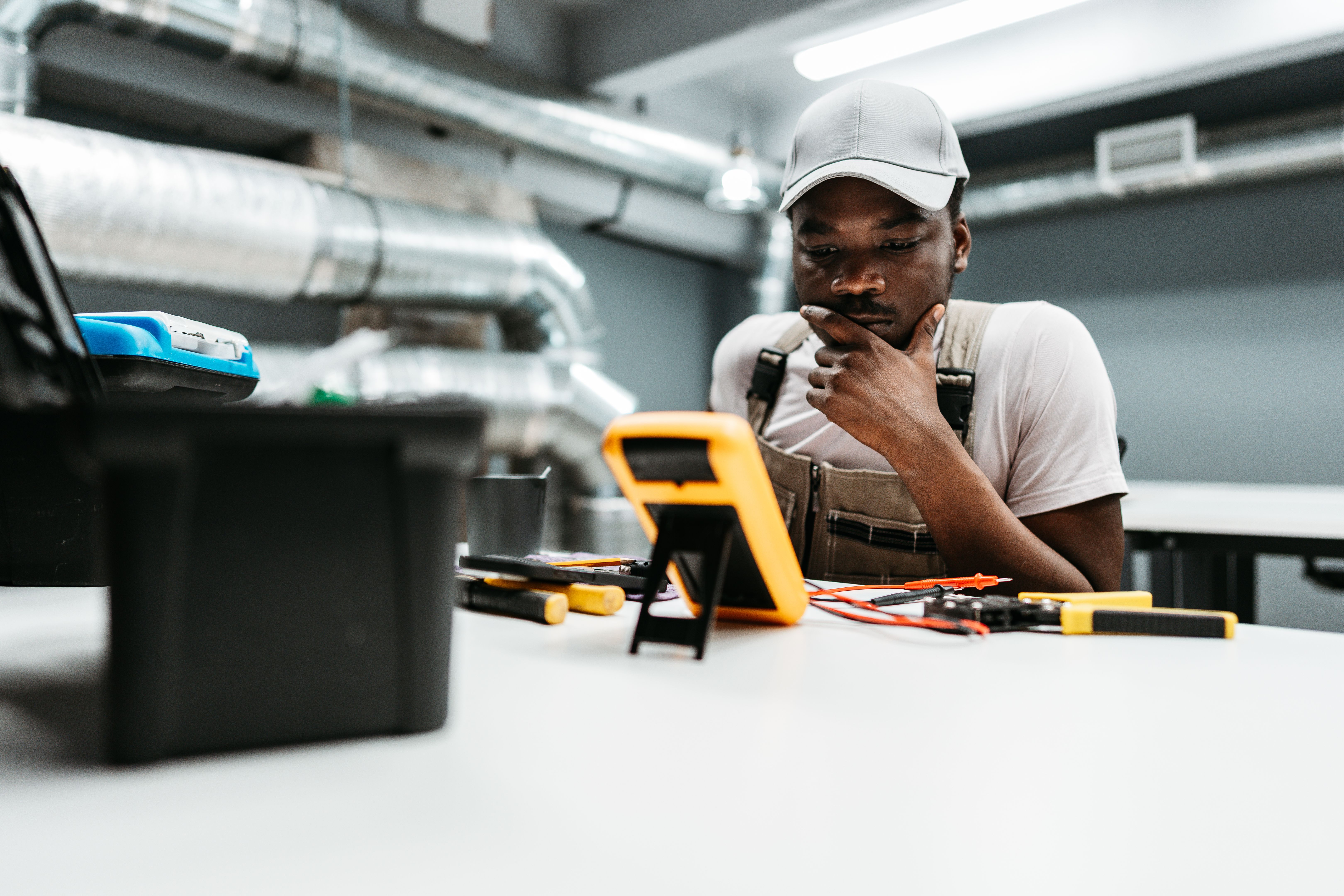
Before starting any electrical testing, it's crucial to have the proper tools. A digital multimeter is indispensable for measuring voltage, current, and resistance. Additionally, having a non-contact voltage tester can help you safely detect live wires without direct contact.
When selecting tools, ensure they are rated for household use and comply with safety standards. Quality equipment will not only provide accurate readings but also ensure your safety while conducting tests.
Safety Precautions
Safety is paramount when working with electricity. Always turn off the power at the circuit breaker before beginning any testing. Use insulated tools and wear rubber-soled shoes to reduce the risk of electric shock. Remember, never touch live wires or components directly with your hands.
Testing Electrical Outlets
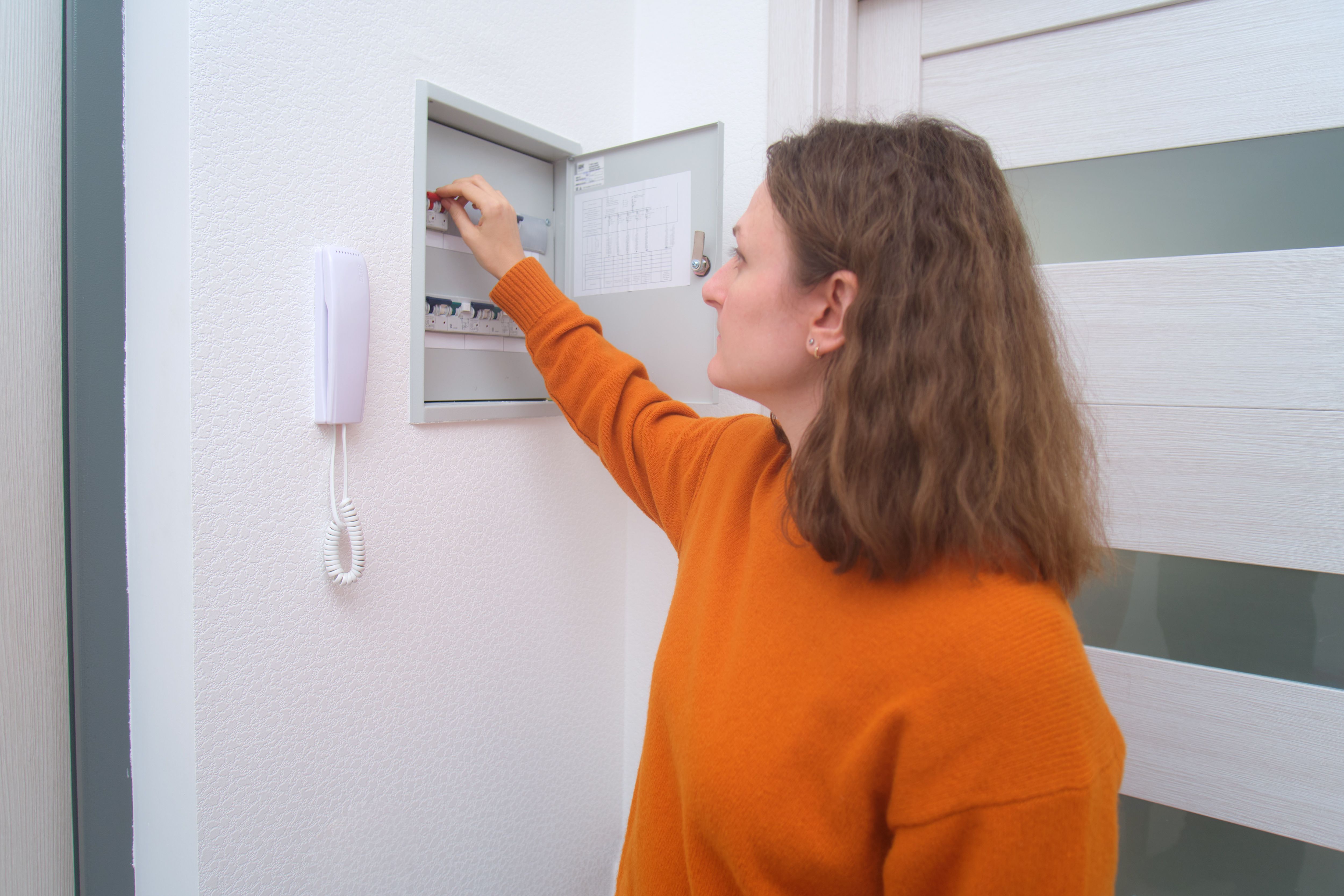
One of the most common electrical tests is checking the functionality of your outlets. Using a multimeter, you can determine if an outlet is providing the correct voltage. Insert the probes into the outlet slots: the multimeter should read around 120 volts for standard U.S. outlets.
If the reading is significantly off, it might indicate a problem with the outlet or the circuit. In such cases, consulting a professional electrician is advisable to avoid further complications.
Checking Circuit Breakers
Tripped circuit breakers can disrupt your home's electrical system. To test a circuit breaker, first ensure all appliances on the circuit are turned off. Then, reset the breaker by switching it off and back on. If it trips again, there may be an underlying issue such as an overloaded circuit or faulty wiring.
Inspecting Light Fixtures
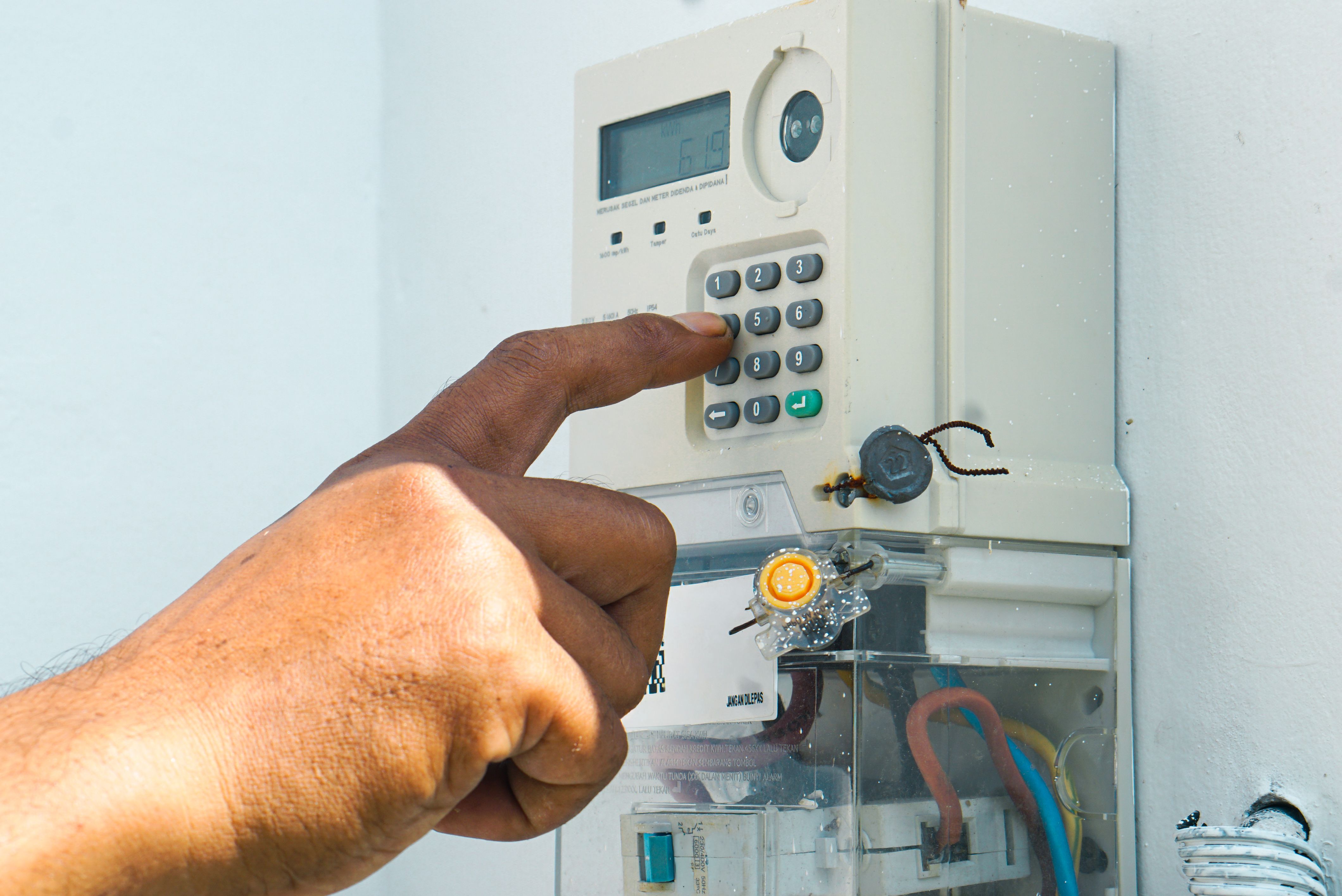
Light fixtures are another area where electrical testing can be useful. If a fixture isn't working, first check the bulb. If the bulb is fine, use a multimeter to test the socket for voltage. This will help determine if the issue lies with the fixture or the wiring.
Remember to handle fixtures with care and ensure the power is off before inspecting or testing any components. Safety should always be your top priority.
DIY Troubleshooting Tips
For minor electrical issues, some basic troubleshooting can save time and money. Check for loose connections, frayed wires, and other visible signs of damage. Tightening connections or replacing damaged wires can often resolve simple problems.
However, if you're unsure or uncomfortable with any aspect of electrical testing, it's best to consult a professional. Electrical work can be complex, and professional electricians have the expertise to safely address more serious issues.
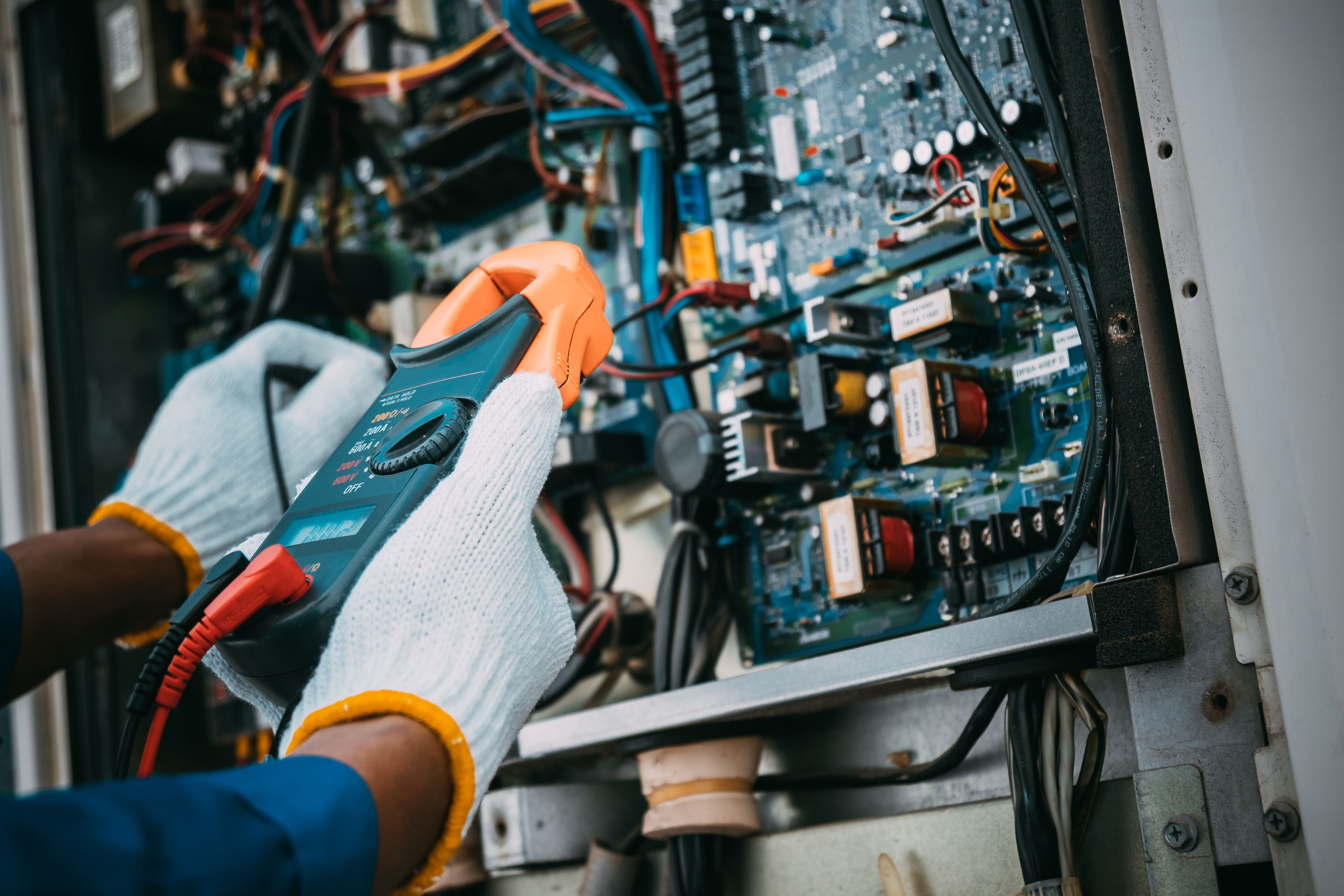
By following these DIY tips for basic electrical testing, you can maintain and ensure the safety of your home's electrical system. With the right tools, safety precautions, and knowledge, you can confidently tackle basic electrical tasks. Always prioritize safety, and don't hesitate to seek professional help when needed.