Top Questions About Electrical Testing Answered by Experts
fp
Understanding Electrical Testing
Electrical testing is a crucial process for ensuring the safety and functionality of electrical systems. Whether you're dealing with residential wiring or industrial installations, understanding the basics of electrical testing is essential. In this post, our experts answer some of the top questions about electrical testing.
What Is Electrical Testing?
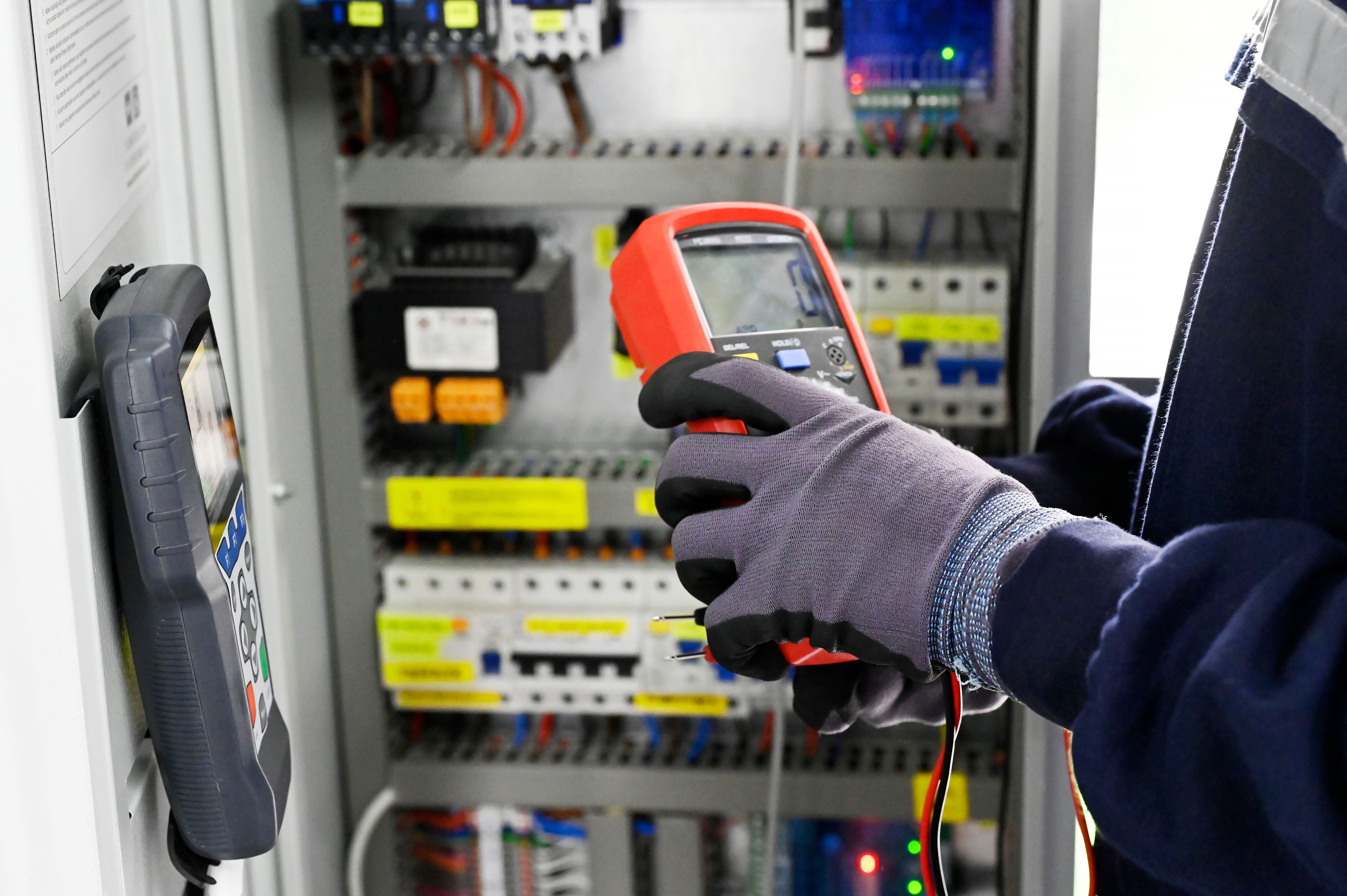
Electrical testing involves the evaluation of electrical systems and components to ensure they operate safely and efficiently. This process can include tests for insulation resistance, continuity, and more. By detecting faults or potential issues early, electrical testing helps prevent accidents and equipment failures.
Why Is Electrical Testing Important?
The primary goal of electrical testing is to ensure safety. Faulty electrical systems can lead to fires, electrical shocks, and other hazards. Regular testing helps identify issues before they become serious problems, ensuring compliance with safety standards and regulations. Additionally, it can improve system performance and extend the lifespan of electrical components.

Types of Electrical Testing
What Are the Common Types of Electrical Tests?
Several types of electrical tests are commonly used, including:
- Insulation Resistance Testing: Measures the resistance of electrical insulation to prevent leakage currents.
- Continuity Testing: Ensures that electrical circuits are complete and unbroken.
- Earth Ground Testing: Checks the effectiveness of grounding systems in protecting against electrical faults.
- High-Potential (Hipot) Testing: Evaluates the electrical insulation strength of devices.
How Often Should Electrical Testing Be Conducted?
The frequency of electrical testing depends on various factors such as the type of equipment, its usage, and environmental conditions. Generally, electrical installations should be tested periodically, with more frequent tests for high-risk environments or critical systems. It's advisable to follow industry standards and guidelines to determine the appropriate testing intervals.

Choosing the Right Electrical Testing Services
How to Choose a Reliable Electrical Testing Service?
When selecting an electrical testing service, consider the following:
- Certification and Accreditation: Ensure the service provider is certified and follows industry standards.
- Experience and Expertise: Look for a provider with a proven track record and experienced technicians.
- Range of Services: Check if the provider offers comprehensive testing services that meet your specific needs.
- Customer Reviews: Read reviews and testimonials to gauge customer satisfaction and reliability.
What Should Be Included in an Electrical Testing Report?
An electrical testing report should provide a detailed account of the tests conducted, including:
- The types of tests performed and their results.
- Any identified issues or faults.
- Recommendations for repairs or improvements.
- Compliance with relevant standards and regulations.
Having a comprehensive report helps in making informed decisions about maintenance and repairs.